Grown In Weekly: At This Point, We Don’t Know

There is a line in Chicago civic life, cannabis life, media life, and maybe actual life where certainty becomes suspect.
David Mamet knew this. Jim Belushi knows this. Anyone who has spent five minutes in Illinois cannabis knows this. The facts are present. The people are recognizable. The room is warm. The stakes are real. And still, at the decisive moment, the only honest answer is:
At this point, we don’t know.
That is not a dodge. It is a discipline.
It is also, for this week’s Grown In Weekly, a useful organizing principle. Chicago has spent the past several days acting as if cannabis is no longer a niche industry but a full civic stage: ribbon cuttings in the Loop, capital confabs downtown, rooftop conversations about AI and digital doobage, panels about cannabis media, medical research, hemp beverages, psychedelics, manufacturing, etiquette, and whatever comes next.
So here are ten observations from Chicago, Illinois, the Midwest, and the wider world of cannabis and psychedelics.
Some we know.
Some we think we know.
Some we should stop pretending to know.
And some, with respect, revenue, and a touch of grace, we will find out together.
1. Cannabis Is Now Civic Theater
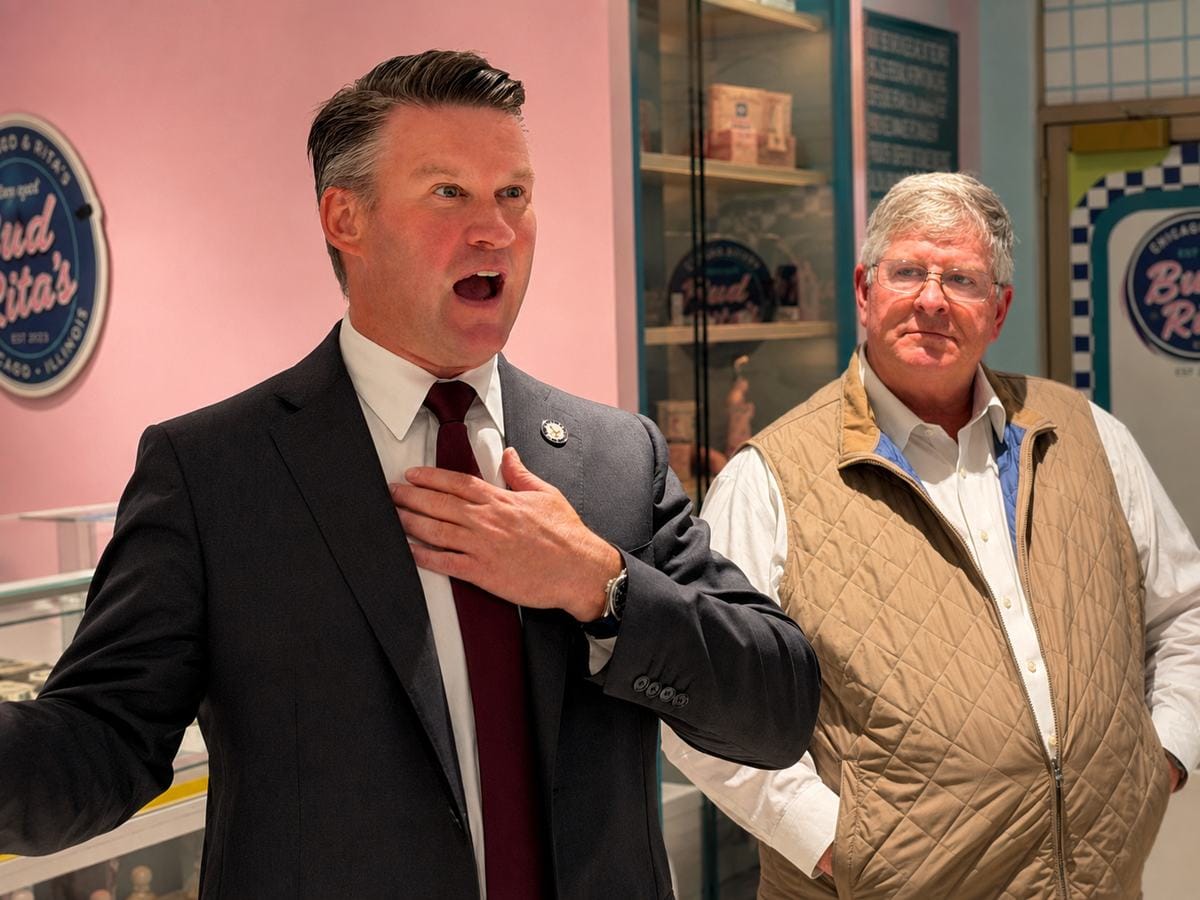
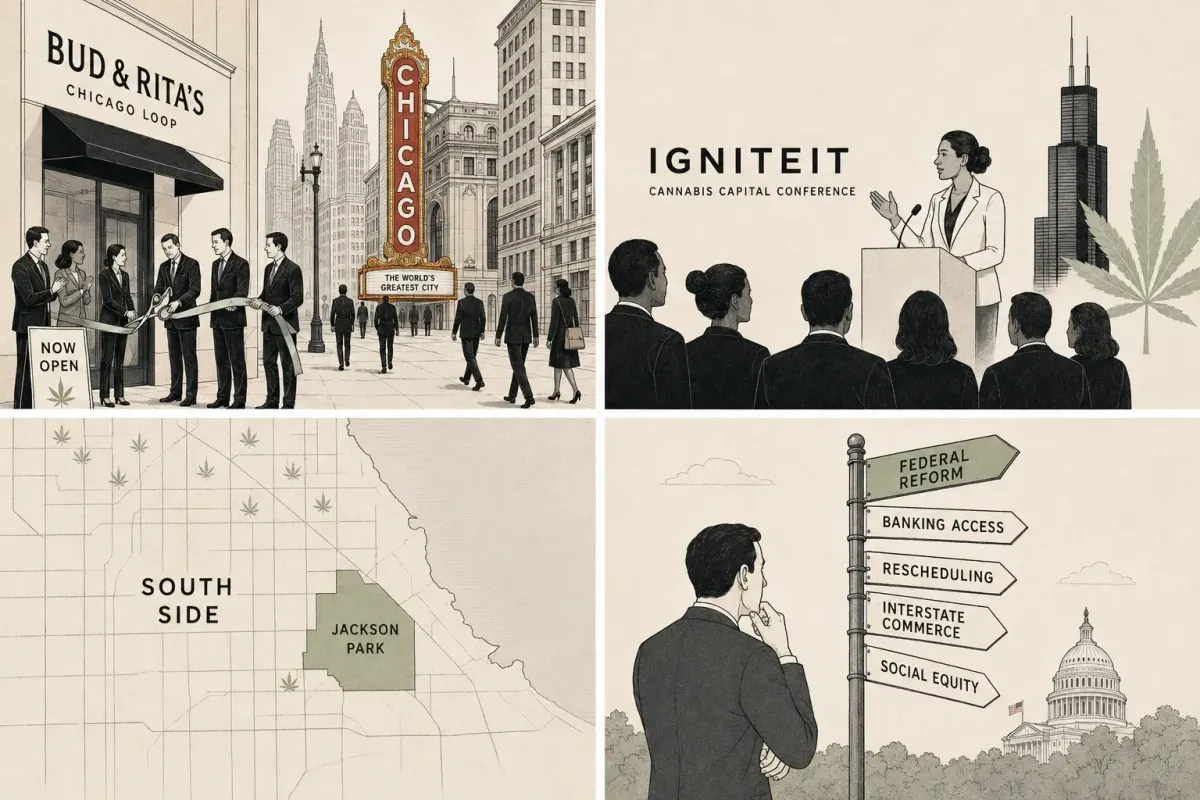
Bud & Rita’s has opened in the middle of the Chicago Loop, at Clark and Madison, steps from the office towers, theater corridors, financial nerve endings, civic architecture, and still-recovering downtown habits that make Chicago Chicago.
This is not just another dispensary opening.
This is cannabis as civic theater.
Alderman, veteran, finance executive, scion, and possible future Chicago mayoral character Billy Conway was there for the ribbon cutting, offering the kind of downtown anecdote that reminds you the Loop has always had more going on than what appeared in the official meeting minutes. When he worked next door at Chase — formerly Bank One — perhaps, he suggested, certain colleagues might have benefited from a whiff of this action.
Was he referring to Jamie Doobie Dimon?
It’s not too late.
Spark one up, respectfully, for the O’Hern family and the Bud & Rita’s crew: OG Illinois cannabis operators who, through perseverance, outside-sector resources, warm communication, and a refusal to die on the vine, did what many larger and louder public-company operators did not do first.
They put a state-licensed cannabis store inside the literal Chicago Loop.
Not near the Loop. Not “Loop-adjacent.” Not in the rebranded geography of a broker flyer. The Loop.
Open early enough for those who consider cannabis a performance-enhancing substance to stroll in before reshaping their offices. Open throughout the day as downtown quietly gets its groove back. Open for theatergoers contemplating dinner, showtime, a joint, a beverage, a squeezer, or whatever ritual now counts as responsible adult preparation.
And then there is the civic ricochet.
The store is a short psychological lob from Millennium Park and Pritzker Pavilion, whose most famous contemporary stakeholder, Governor J.B. Pritzker, is responsible for the adult-use cannabis industry existing in Illinois at all — through an economic expansion and reparations framework that was morally ambitious, politically impressive, operationally messy, and still unresolved.
To what degree will Governor Pritzker’s cannabis record help, hurt, complicate, or enrich any presidential ambitions?
At this point, we don’t know.
2. Illinois Cannabis Needs to Stop Declaring Victory Too Early
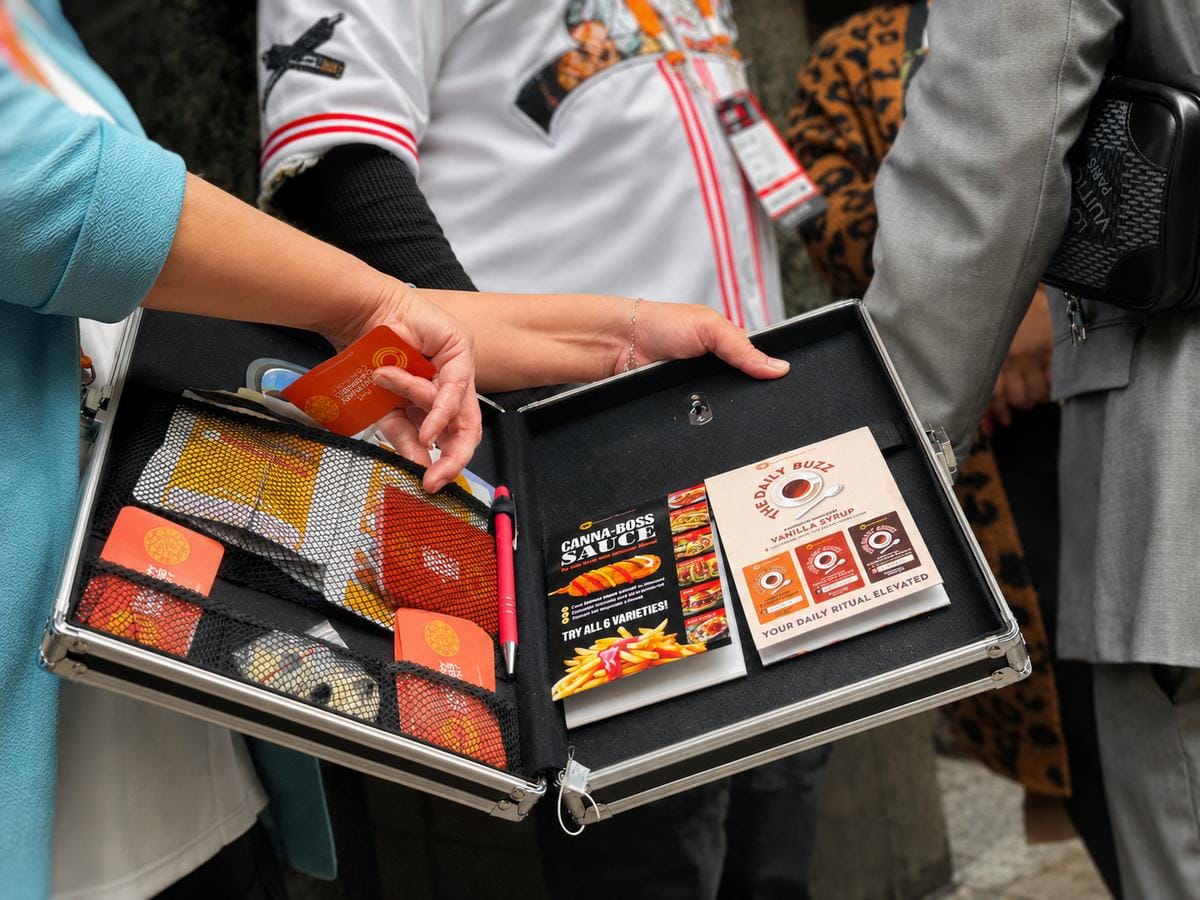
Meanwhile, early in the week, the Lane brothers — formerly of Benzinga, now IgniteIt — rolled into town with their Cannabis Capital Conference at the Marriott Magnificent Mile.
It was a fine show: high-impact networking, social signaling, sponsored content, hallway collisions, practical dealmaking, and a canned Q&A with Illinois Lieutenant Governor Juliana Stratton, arguably the most important incoming U.S. senator for the cannabis industry if November goes the way Illinois usually goes.
Stratton has real cannabis bona fides. She helped implement the Illinois program. She publicly celebrated legalization. She was part of the Jan. 1, 2020 moment when Illinois became a recreational cannabis state. And her cannabis policy instincts appear more progressive than retiring Senator Dick Durbin’s.
That is why one line in what sounded like a stump speech should be retired immediately.
The idea that the Illinois cannabis program is enabling small businesses across Illinois to flourish — or even broadly succeed — is, at best, wildly incomplete. At worst, it is the kind of legislative lexicon that blocks reform because it flatters the authors of a system more than it describes the lived experience of the people inside it.
The Illinois social equity program took roughly three times longer than expected to move through the courts. By the time many license holders could meaningfully open, the market had crashed, capital had dried up, real estate had become a trap, wholesale pricing had shifted, debt had accumulated, and nearly everyone except Ben Kovler’s Green Thumb Industries was dealing with some version of pain.
This is not a reason to abandon the project.
It is a reason to tell the truth.
This week, as the world comes to Chicago’s South Side to celebrate a Mount Rushmore citizen whose library will become one of the most important new civic constructions in Chicago since Millennium Park, visitors to Jackson Park can still count on one hand the number of legal dispensaries within a reasonable radius.
Meanwhile, dispensaries are ubiquitous in the suburbs, on the North Side, and — please do not get me started — New Buffalo.
Fix that before declaring victory.
And maybe, just maybe, the truth will open more federal doors than the talking point.
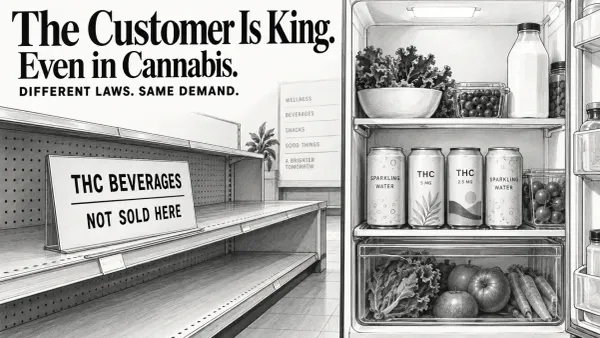
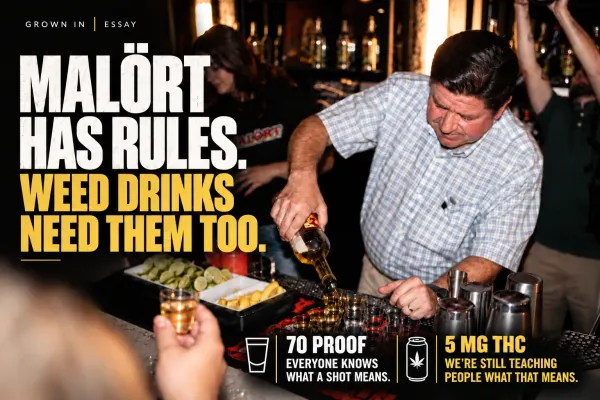
3. Hemp Beverages Are the New Last Call
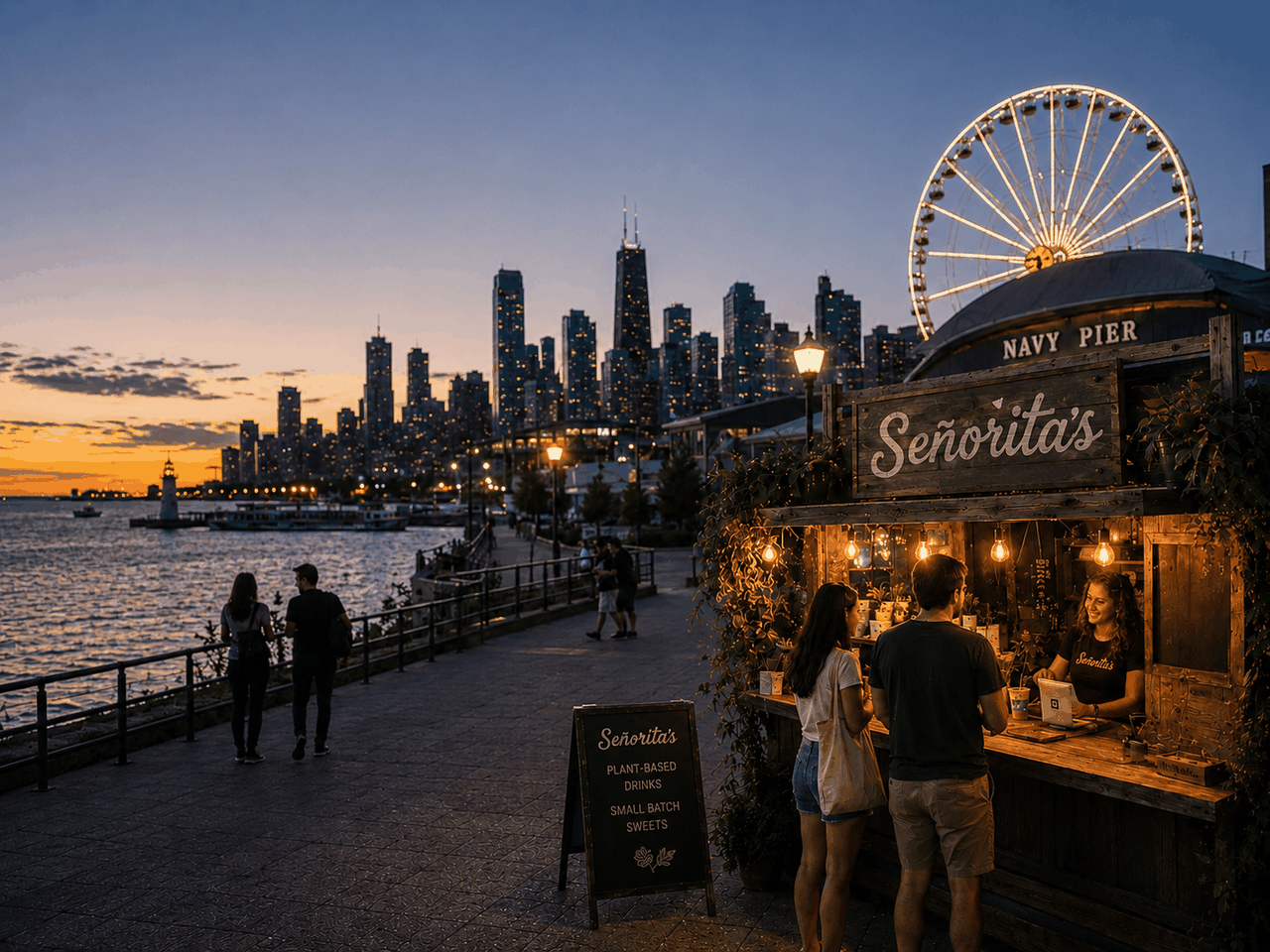
Illinois has now moved to bring intoxicating hemp products more firmly into the regulated cannabis system, with the new framework taking effect in November.
This may resolve some problems. It may create others. It almost certainly will not end the argument.
The most interesting domestic cannabis action right now lives inside the tension between state-licensed cannabis and hemp-derived THC. Both sides have zealots. Both sides have arguments. Both sides have people who have been trained by whoever is paying them to believe they occupy the moral high ground.
On one side are operators who checked every state box, paid every fee, lived through every inspection, built every vault, hired every guard, and waited for every license.
On the other side are second movers who saw ambiguity in the Farm Bill, discovered an entirely new class of consumers, and learned that plenty of people like their weed in four milligrams, twelve ounces at a time.
That genie, modified or otherwise, is not going back in the bottle.
Sorry to those who took a regulatory piss on it, but that is capitalism.
Should consideration be given to those who built within the state-licensed system? Wholeheartedly, yes.
Do consumers care about that in the aisle?
Usually, no.
Which brings us to the practical question: when November arrives, who exactly calls Ben Kovler and says last call on Señorita at Navy Pier?
No, really.
Is that J.B.?
And if it is, how does that conversation intersect with the other conversations those two may be having about Illinois, cannabis, taxes, industry stability, political ambition, and the future of intoxicating beverages?
At this point, we don’t know.
4. The Hallucination Question
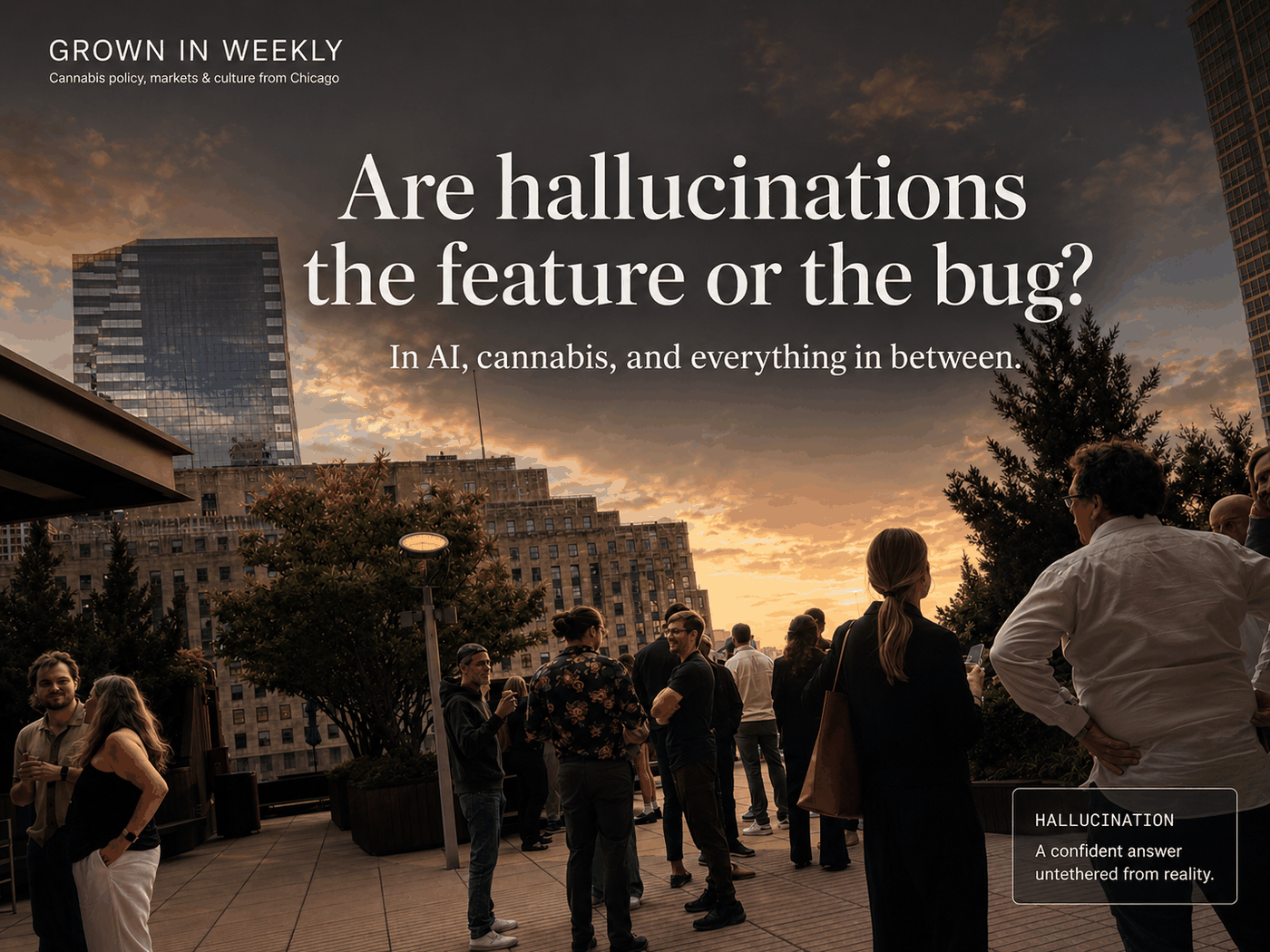
Before cannabis became civic theater in the Loop, it became Civic Opera on the roof, where coders, operators, posers, intruders, investors, and the useful professionally curious gathered for cocktails and conversation about digital doobage.
The topic, inevitably, was AI.
That is not unique to cannabis. Every industry now talks about AI as if the first person to say “agentic” gets an extra drink ticket. But cannabis has a particular version of the problem because so much of legal cannabis shopping now happens digitally, before the budtender, before the display case, before the sponsored pop-up, before the customer ever smells anything at all.
Vendors backed by current and former operators are building tools to convert consumers through electronic channels. Some of these tools are useful. Some are promising. Some are probably overhyped. Some will work better than anything the industry had ten years ago, when serving cannabis clients was still considered by many software and advertising companies to be somewhere between radioactive and illegal.
And yet the gap remains.
Cannabis commerce is still not CPG commerce. It is not alcohol commerce. It is not pharmacy commerce. It is not grocery commerce. It borrows from all of them and belongs fully to none of them.
Hovering over this practical conversation is a deeper and stranger fact: in artificial intelligence, according to some of the smartest people I know, hallucination is not simply a bug. It may be part of the feature set.
That should sit in the back of the room every time stronger weed, mushrooms, ketamine, synthetic psychedelics, wellness claims, clinical claims, lifestyle claims, and vendor claims move further online.
Especially when pick-and-shovel sellers insist they know things they clearly do not. At this point, we don’t know.
But we should know enough to be careful.
5. Cannabis Media Has Seen Better Days
Cannabis media has seen better days.
From your mouth to God’s ears, it will see better ones again.
Nobody knows the promise and peril better than Ricardo Baca, who pioneered mainstream cannabis coverage at The Denver Post and then built the classy Grasslands agency in Denver. The cannabis media conversation at IgniteIt was earnest, kind, highly promising, and occasionally painful in the way media panels often are when everyone on stage knows the business model is broken but nobody wants to say it plainly enough to ruin lunch.
The panelists, curated by the conference organizers, appeared to have a slightly inflated sense of their own importance within the broader movement. There was also a familiar tendency to punch up at billionaires while ignoring the fact that one of the publications in the conversation lives inside a company descended from William Randolph Hearst.
Somebody please get me.
The challenge is not that cannabis media lacks good people. It has good people. It has brave people. It has underpaid people. It has cynical people in need of a paycheck. It has access journalism. It has advocacy journalism. It has trade journalism. It has branded content pretending not to be branded content. It has newsletter entrepreneurs. It has agencies. It has events. It has ghosts of publications past.
The challenge is that cannabis is maturing at the exact moment the media is up for grabs everywhere.
It remains unclear how successful access journalism will be in this space, or any other. It remains unclear whether honest reporting can coexist with careful, carefree convening. It remains unclear whether the people who need scrutiny will keep funding the rooms in which the scrutiny is politely avoided.
But here is one thing we do know:
Grown In is not done.
The next version of this business model — honest reporting, useful intelligence, warm convening, commercial clarity, and a little civic mischief — will be on display in Avondale on Oct. 8 and again via East St. Louis Toodle Loo in the late teens of November.
To what degree?
Let’s find out.
6. Medical Cannabis Is Finally Being Taken Seriously Again

Perhaps I buried the lead.
Amid industry turmoil, hemp fights, capital scarcity, media weirdness, and the usual Illinois side quests, one of the most important developments is that medical cannabis is finally being treated with more institutional seriousness.
The FDA now has greater room to investigate, validate, question, and structure what billions of people already believe in some form: cannabis has medicinal properties.
That does not mean every claim is true.
It means more scientists should be working on the claims.
Which brings us to Chicago.
What is going on with the Cannabis Research Institute at the University of Illinois Chicago?
That initiative, launched with support from the Illinois Department of Human Services and the Illinois Cannabis Regulation Oversight Office, should be a crown-jewel research platform for the University of Illinois System and the state’s cannabis ecosystem. It should connect medical research, community engagement, public health, social equity, and data-informed policy in a way that does not collapse into industry capture or bureaucratic paralysis.
From what I understand, the initiative has been operating with a limited runway and is seeking ways to diversify its sustainability without violating written, unwritten, formal, informal, ethical, political, or reputational standards imposed by the Illinois cannabis oversight universe.
That universe already has plenty on its plate, including sideways dispensary M&A, ownership questions, CRTA compliance, Secretary of State filings, and the ongoing tension between what the statute says and what the market has become.
Will the Cannabis Regulation Oversight Office, whether as entity or person, ever return my call after I was hung up on while asking about this stuff?
At this point, we don’t know.
But medical cannabis deserves more than rhetorical respect. It deserves research, funding, transparency, and a serious Chicago lane.
7. Albania Needs Another Look
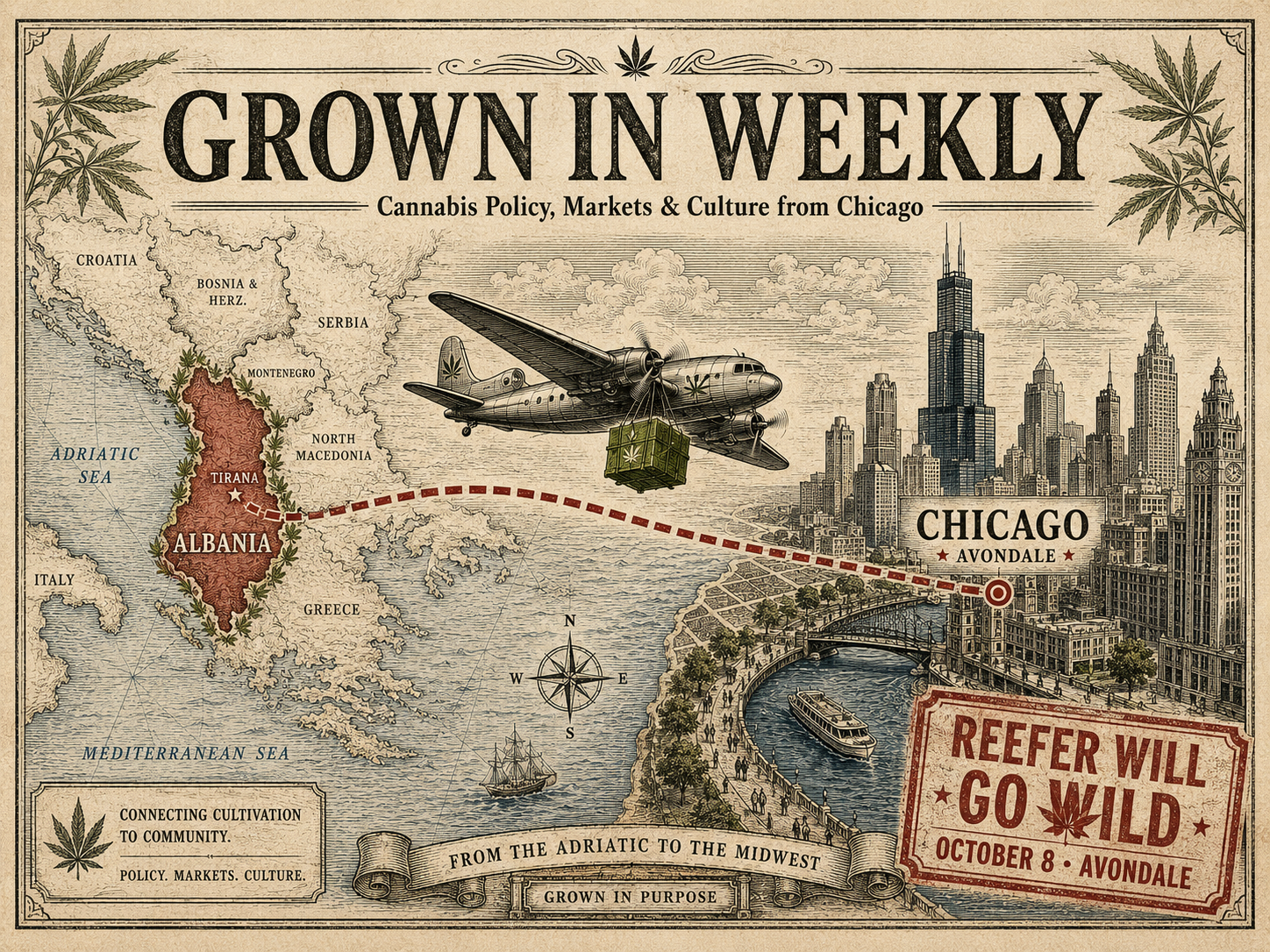
If Greece is really going to become the Humboldt County of Europe, then what are we to do with its even swarthier neighbor, whose off-the-books participation in cannabis has long been considerable?
Albania needs another look.
Maybe it is the Pueblo of Pot. Maybe the Parthenon. Maybe something stranger and more useful than either.
There are whispers — always whispers — of greater coordination among stakeholders who are some combination of Greek, Greek American, Chicagoan, Albanian, logistics-minded, capital-curious, and forward thinking. They see a link between Chicago’s logistics dominance and the inevitable global market for ganja, which may run through Greece, Albania, and perhaps one day Turkey.
That could inspire a Midnight Express reboot with a happier ending.
The global cannabis market will not be built only in Toronto boardrooms, New York funds, California brands, or German pharmacies. It will move through ports, families, diaspora networks, freight corridors, old agricultural knowledge, new compliance systems, and jurisdictions that have been participating unofficially long before the white papers arrived.
At this point, we don’t know.
But we should keep looking east.
8. Cheers to Cheech & Chong’s IP Inheritors
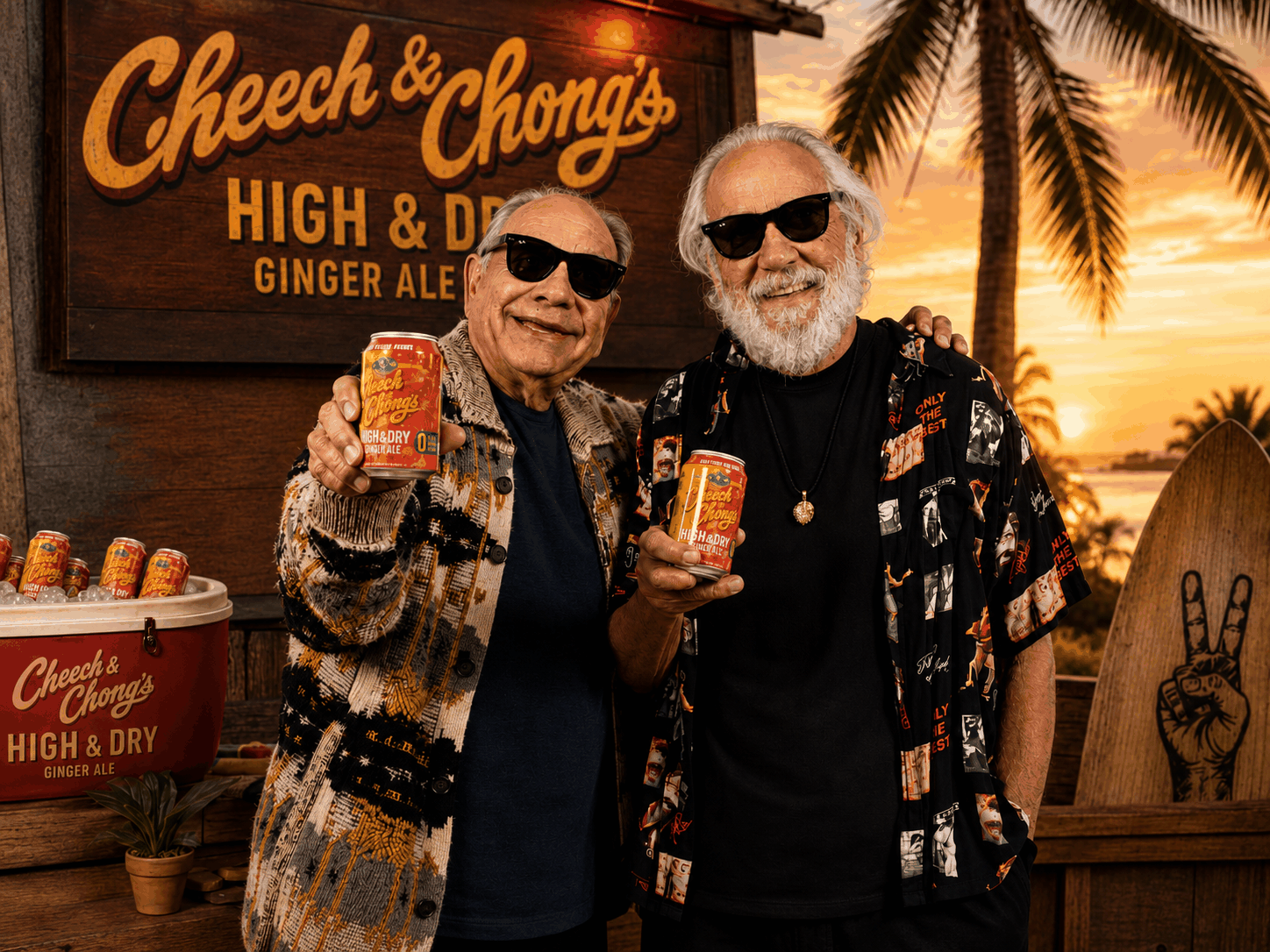
While things remain tough all over, cheers to Cheech & Chong’s intellectual-property inheritors.
There is something clarifying about a brand that understands cannabis culture, comedy, nostalgia, beverages, and distribution without pretending it invented plant medicine at a wellness retreat.
The U.S. domestic cannabis story is not simply MSO versus craft. It is not simply dispensary versus smoke shop. It is not simply state cannabis versus hemp. It is increasingly a story about brands that can move between channels, formats, consumer states, and regulatory absurdities without losing the plot.
Cheech & Chong can sell through state-licensed OG operators. They can sell next door. They can sell beverages. They can sell flower. They can sell vibes. They can probably figure out how to market cannabis dog shit if they have not already.
And I say that with admiration.
Nice dreams are actually coming to life.
The larger question is whether cultural cannabis brands can help bridge a divide that lobbyists have made too brittle: low-dose beverage consumers, traditional flower consumers, medical consumers, hemp consumers, adult-use consumers, legacy consumers, and occasional “I don’t smoke but I’ll try that seltzer” consumers are not different species.
They are the market.
Will Cheech & Chong be on the dais when Commerce Secretary Howard Lutnick signs next spring’s omnibus that gets all these issues stoned at once?
At this point, we don’t know.
But if they are, somebody should save the photo.
9. A Hydro Flask for Hashish?
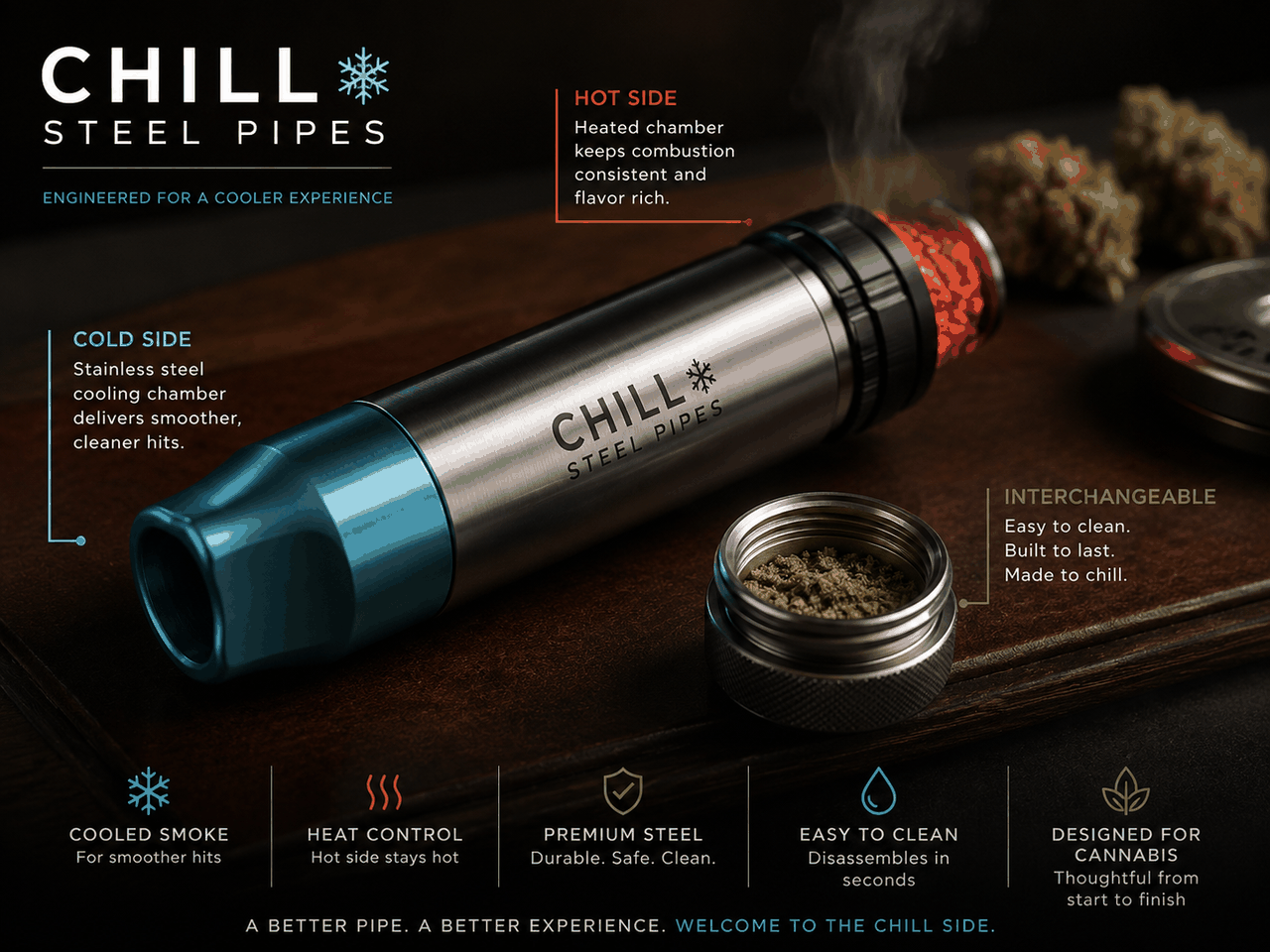
Special attention must be paid to the folks behind Chill Steel Pipes, who are innovating in the inhalation space in ways that feel light years ahead of the usual accessory-table clutter.
This is a McDLT-type proposition: keep the hot side hot, the cold side cold, and somehow make the whole thing kinder to the consumer.
Cannabis manufacturing does not get enough serious attention. The industry spends endless time talking about licenses, taxes, capital stacks, rescheduling, potency, politics, and brand storytelling. It spends less time celebrating practical product design that makes consumption cleaner, smoother, more intentional, or simply less stupid.
That matters.
Hardware is culture. Packaging is policy. Device design is public health. The way people consume cannabis shapes how cannabis is understood, regulated, normalized, stigmatized, and shared.
This product, which I hope to investigate more directly, appears to be an exemplar of cannabis manufacturing that actually respects the consumer.
Will there be more coordination between Grown In and this outfit moving forward? At this point, we don’t know.
Either way: kudos, my friends.
10. Flowers for Baird & Warner
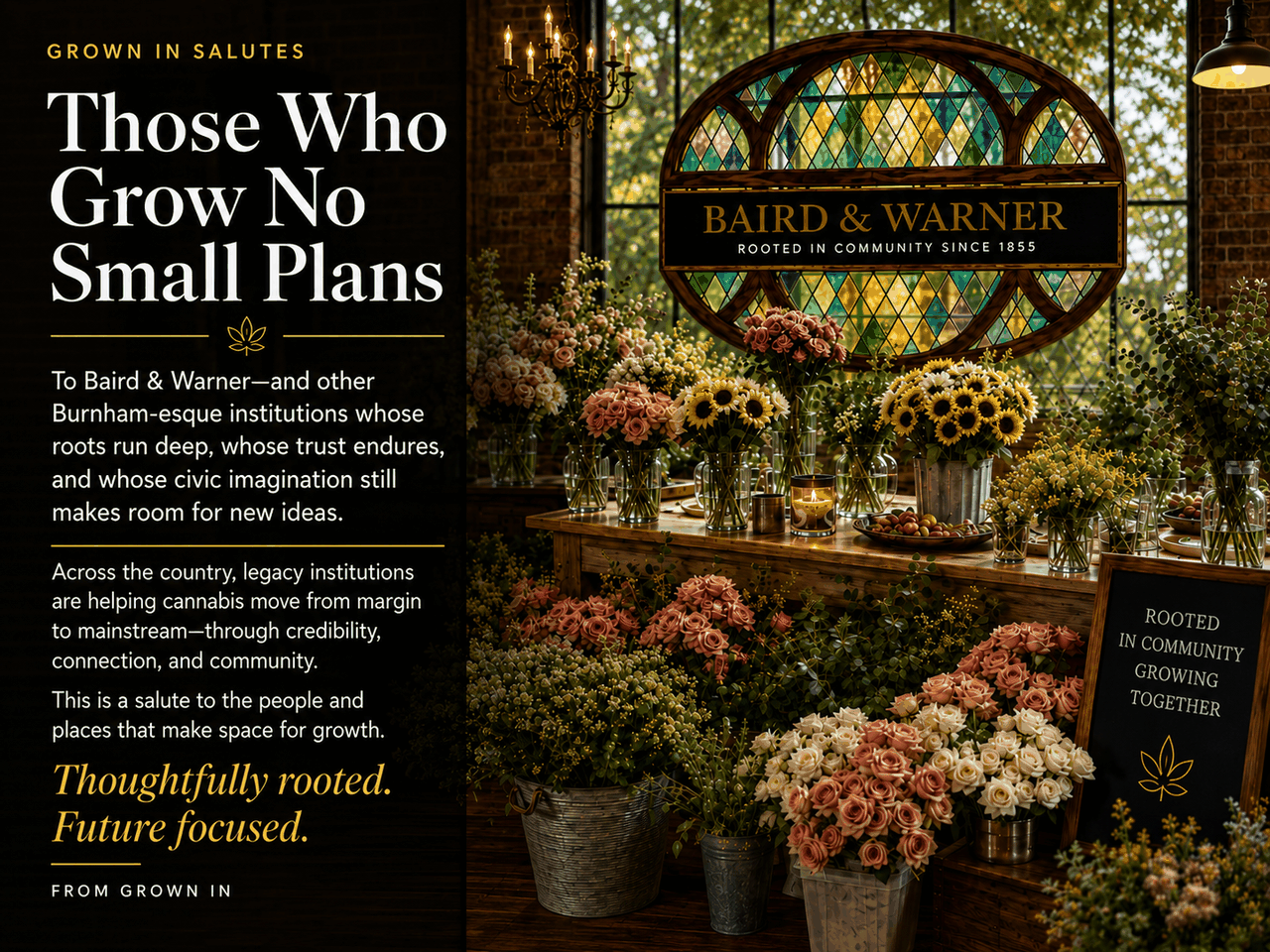
Finally: I love Baird & Warner and everything that grows from its commitment to cannabis. Thank you for the flowers, the flourishing, and the roadmap to what comes next.
This may seem like a small note, but it is not.
Cannabis normalization does not happen only through legislation, court cases, capital conferences, dispensary openings, or federal memos. It happens when legacy institutions decide the industry is real enough to serve, serious enough to understand, and human enough to welcome.
Real estate has always been one of the cannabis industry’s most punishing choke points. The operators who survived did not just need licenses. They needed landlords, brokers, lenders, municipalities, neighbors, lawyers, insurers, contractors, security vendors, and patient institutional partners willing to withstand uncertainty.
A flower arrangement can be a gesture.
It can also be a signal.
And in cannabis, signals matter.
So yes, thank you for the flowers.
We’ll keep growing from here.
Closing: What We Know
We know cannabis is now in the Loop.
We know Illinois still has unfinished social equity business.
We know hemp beverages changed the consumer conversation faster than regulators could contain it. We know AI is coming for cannabis commerce, hallucinations included.
We know cannabis media needs a better model.
We know medical cannabis deserves serious research.
We know the global market is bigger and stranger than the domestic debate.
We know culture still sells.
We know better hardware matters.
We know conference etiquette is not a small thing.
And we know that legacy institutions entering the room with grace can change what becomes possible.
What we do not know is whether Illinois, Chicago, the Midwest, and the global cannabis industry will learn quickly enough from what is now obvious.
At this point, we don’t know.
But Grown In is watching.
And we’ll see you in Avondale on Oct. 8.